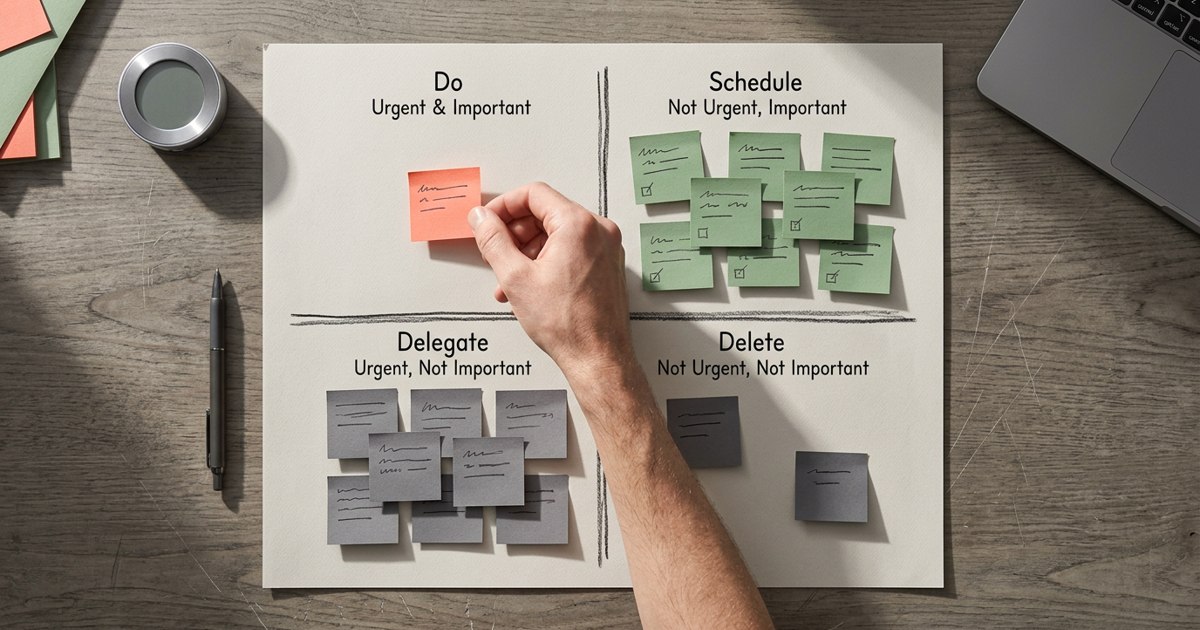


You can answer 70 messages, attend six meetings and clear every notification without moving the business forward by even one meaningful step.
That is the uncomfortable difference between being busy and advancing work. Busyness is visible. Progress is harder to see because it depends on whether something important changed.
For founders, confusing the two is expensive. A day filled with urgent requests can feel productive while the work that drives revenue, retention, product quality or team capability gets postponed. The solution is not to dismiss operational work. It is to measure work by the outcome it creates rather than the activity it contains.
Why busyness feels so satisfying
Small tasks offer quick closure. Replying to a message produces an immediate sense of completion. Attending a meeting creates the impression of involvement. Updating a tracker makes progress look organized.
Important work is often less rewarding in the short term. Researching a new market, improving onboarding or resolving a structural product problem can take days before the result becomes visible. It is easy to postpone this work in favour of tasks that produce instant feedback.
This creates a dangerous loop: the more you respond to small demands, the less time you have to prevent the problems that create them.
Activity is not the same as an outcome
Consider two examples.
Founder A spends Monday in meetings about customer onboarding, asks for updates and reviews several documents. Founder B spends two hours analyzing where new customers drop out, agrees on one change with the product team and sets a target for measuring its effect.
Founder A may have done useful work. But unless the meetings produce decisions, the business may look the same on Tuesday. Founder B has moved from discussion to an experiment with an observable outcome.
The point is not that meetings are bad or that every task must generate immediate revenue. The point is to connect activity to a result.
Define what progress means before starting
A vague task such as “improve sales” invites endless activity. A more useful objective might be “increase the percentage of qualified leads that book a demo.” It gives the team a result to aim for and a way to evaluate whether the work helped.
Not every important outcome is a number. Hiring a strong leader, improving customer trust or clarifying a product strategy may require qualitative judgment. Even then, define the evidence you expect to see.
Ask three questions before beginning a task:
1. What will be different when this is finished? 2. Who benefits from that change? 3. How will we know whether it worked?
If you cannot answer, the task may still be worthwhile, but you should clarify its purpose before investing significant time.
Watch for the signs of performative productivity
One sign is repeated reporting without decisions. The team creates dashboards and updates but does not change priorities based on them.
Another is constant context switching. People jump between chat, email and meetings, leaving important tasks half-finished. The day feels intense because attention is fragmented.
A third sign is a backlog that keeps growing despite high effort. If the team completes work but new requests arrive faster than capacity allows, adding more hours may not solve the underlying problem. The company may need to reduce work in progress, say no more often or improve the way requests enter the system.
Measure progress without turning everything into a metric
Choose a small number of indicators tied to the business's current priorities. For a product team, that might be activation or reliability. For sales, it could be qualified pipeline or conversion. For customer success, it may be time to resolution or retention.
Pair outcome measures with leading indicators. Revenue may take time to change, while the number of qualified conversations or onboarding completion rate can reveal whether the team is moving in the right direction.
Avoid measuring activity simply because it is easy to count. Messages sent, hours worked and meetings attended can provide context, but they rarely tell the whole story.
Protect time for advancing work
At the start of each week, identify one to three outcomes that would make the week meaningful. Put time for the most important work on the calendar before filling every gap with meetings.
During the day, group small administrative tasks where practical. Turn off nonessential notifications during focused work and agree with the team on what deserves an interruption. At the end of the day, review what changed, not just what you crossed off.
If the important work repeatedly loses to urgent work, investigate why. Is there a staffing issue? Are decisions unclear? Are customers experiencing recurring problems? Is the founder approving too much? A calendar problem can be a symptom of an operating problem.
A five-minute progress review
Use this at the end of each workday:
Outcome I intended to move: What mattered most today?
Evidence of progress: What is now completed, clearer or unblocked?
Activity that consumed time: Which meetings or requests took the most attention?
Reason for the gap: What prevented progress?
Next action: What is the first concrete step tomorrow?
This is not a tool for judging yourself on difficult days. It is a way to notice patterns and improve how work is organized.
Being busy is sometimes unavoidable, especially in an early-stage company. But busyness should not be the definition of a successful day. The better question is simple: what is meaningfully different because we worked today? When teams ask that question consistently, they become better at choosing work that matters and letting go of work that merely fills time.
Make the boundary a team agreement
A personal shutdown routine is useful, but it becomes much easier when colleagues share the same expectations. Discuss response times, urgent channels, meeting-free periods and what should happen when the usual owner is unavailable. Keep the agreement practical and revisit it when the team or customer commitments change.
If after-hours work remains frequent, use the pattern as evidence. Is there a recurring incident, an unrealistic deadline or a gap in coverage? Fixing the cause is more effective than asking everyone to become better at switching off while leaving the workload unchanged.
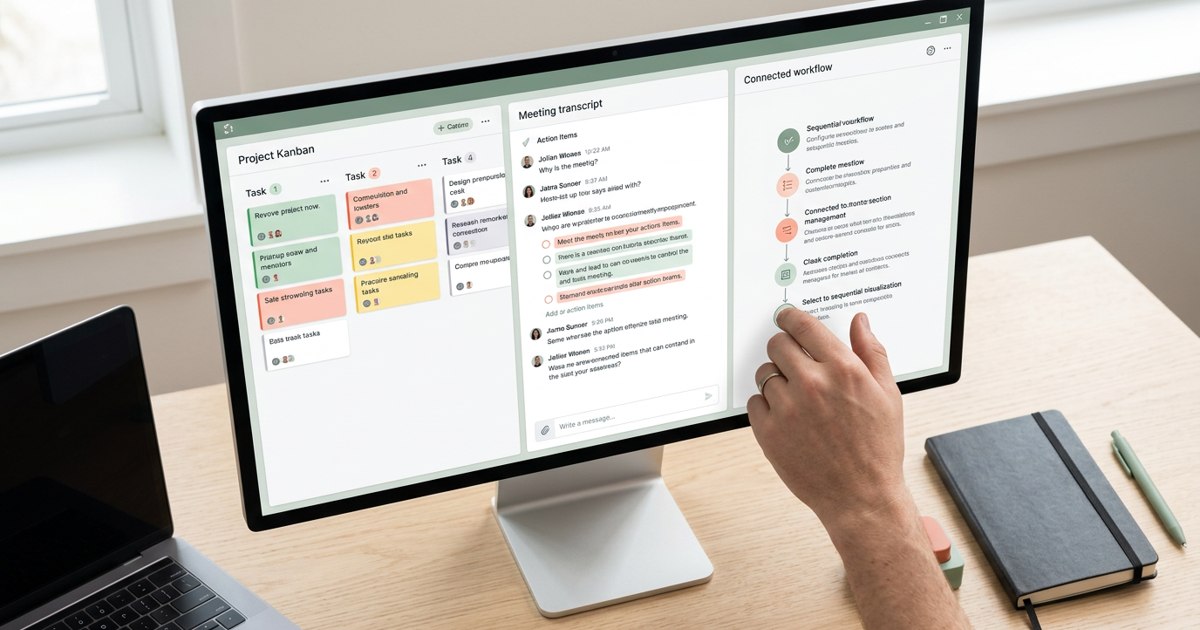
Tools can help reduce the time spent searching for context. For example, WorkBudi takes an AI chief of staff approach to connecting information across work apps and preparing briefs or follow-ups. That can free up attention, but the team still has to decide which outcomes deserve that attention.